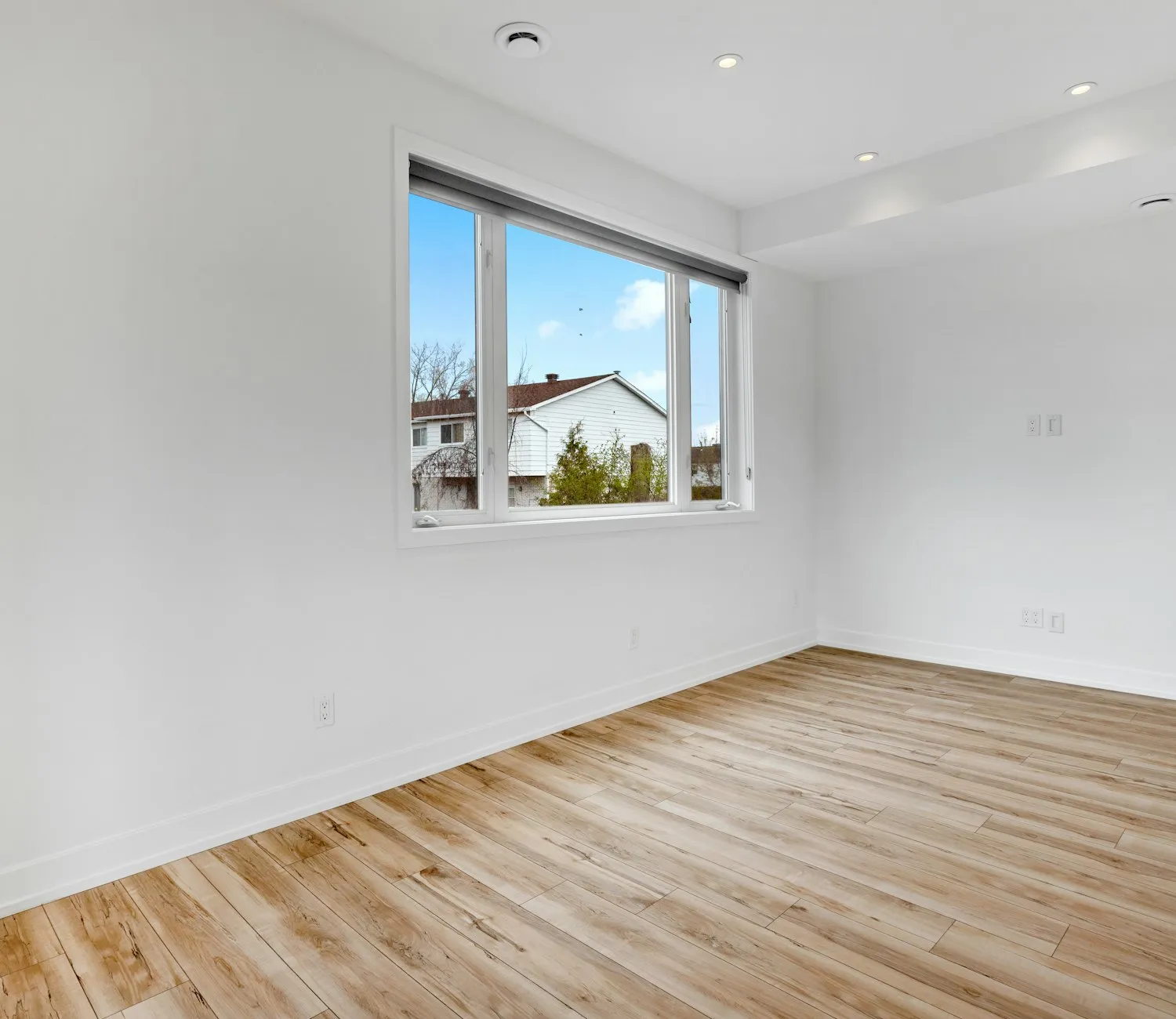
The prep is the job.
The paint is
the receipt.
Interior and exterior repainting for Madison homes. We quote scraping, sanding, filling and priming as their own line items — because that is where a repaint lasts or fails, and it is the first thing a cheaper bid deletes.
- Exterior repaints
- Interior repaints
- Lead-safe prep
Request a free on-site estimate
We measure, check the substrate, and quote in writing. No charge, no obligation.
The exterior season, to scale
Checking the calendar…
Exterior season
Interior season
- Exterior —
- booking now, late April to mid October.
- Interior —
- all twelve months, which is what keeps the crew working in January.
Below about 50°F latex stops coalescing into a continuous film, so it never reaches the hardness it was mixed for. That is the whole reason the exterior window closes — and the reason we will tell you to wait until spring rather than sell you an October exterior.
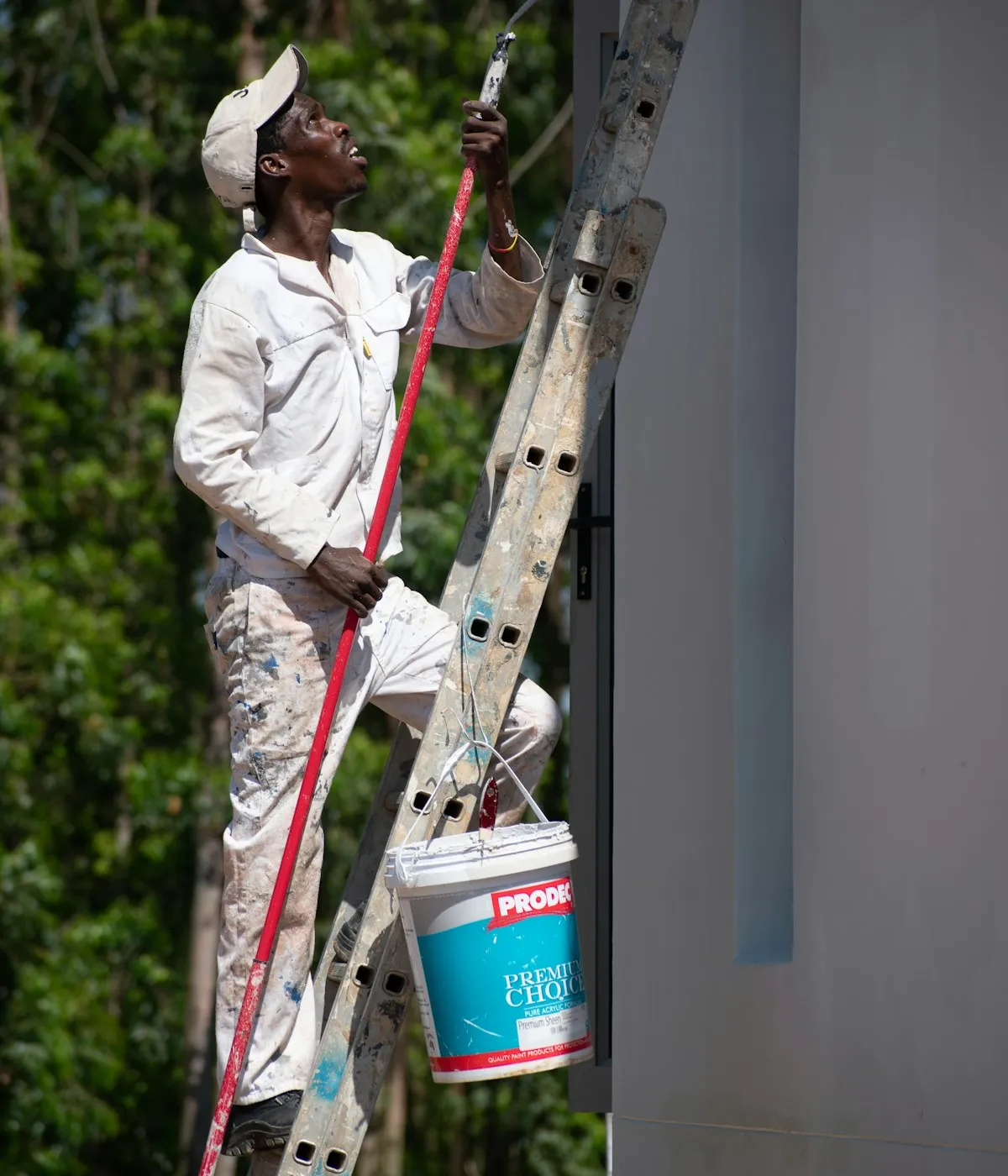
Same crew, start to finish
The people who scrape your siding are the people who lay the finish coat. No rotating subcontractors.
The prep is written down
Your estimate lists prep hours as their own line. You can hold us to it, and you can compare it.
We only paint houses,
and we only paint
them properly.
Ladder & Line is a residential painting company in Madison. No commercial contracts, no new construction, no chasing three trades at once — just interiors and exteriors on the wood-frame houses this city is mostly made of.
Most of those houses were built between 1900 and 1940, which means original clapboard, decades of accumulated coats, and frequently lead below the 1978 line. That is a prep problem before it is a paint problem, and it is the part of the job we are actually selling.
- Interior and exterior, houses only
- Lead-safe work practices on pre-1978 homes
- Rotted trim repaired before it is painted
Six things we do,
and nothing else.
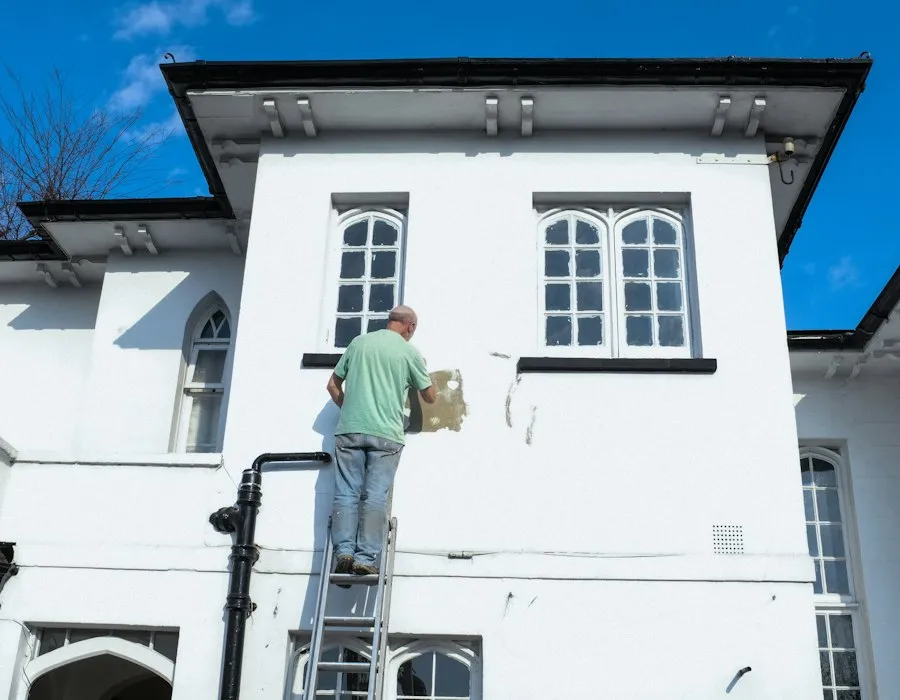
Exterior Repaint
Full wash, scrape, sand, prime and two finish coats on wood, fibre cement, stucco and brick.
What this involves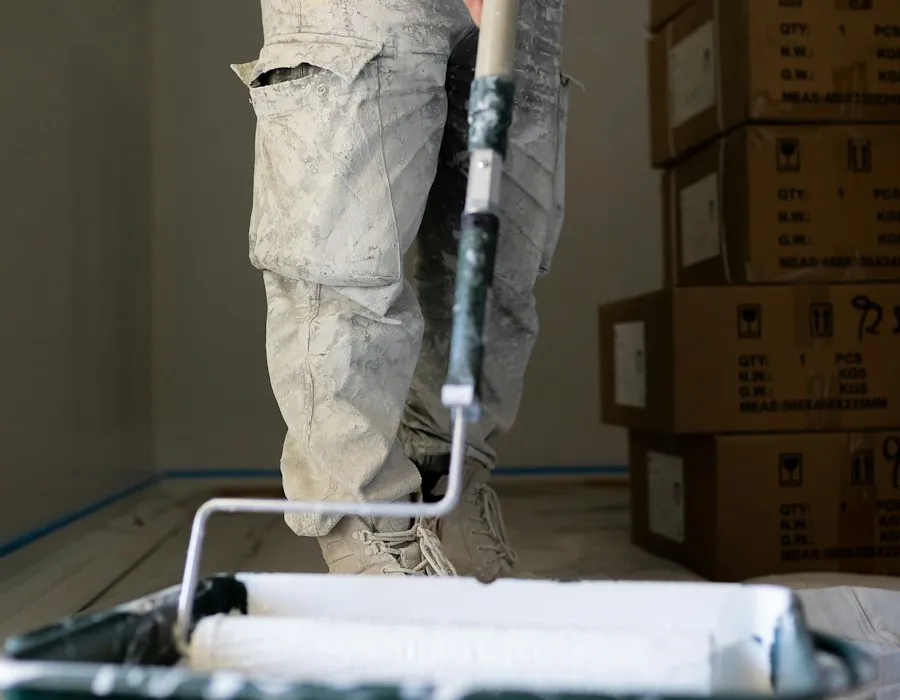
Interior Repaint
Walls, ceilings, trim and doors — with the dust control and daily cleanup that make it liveable.
What this involves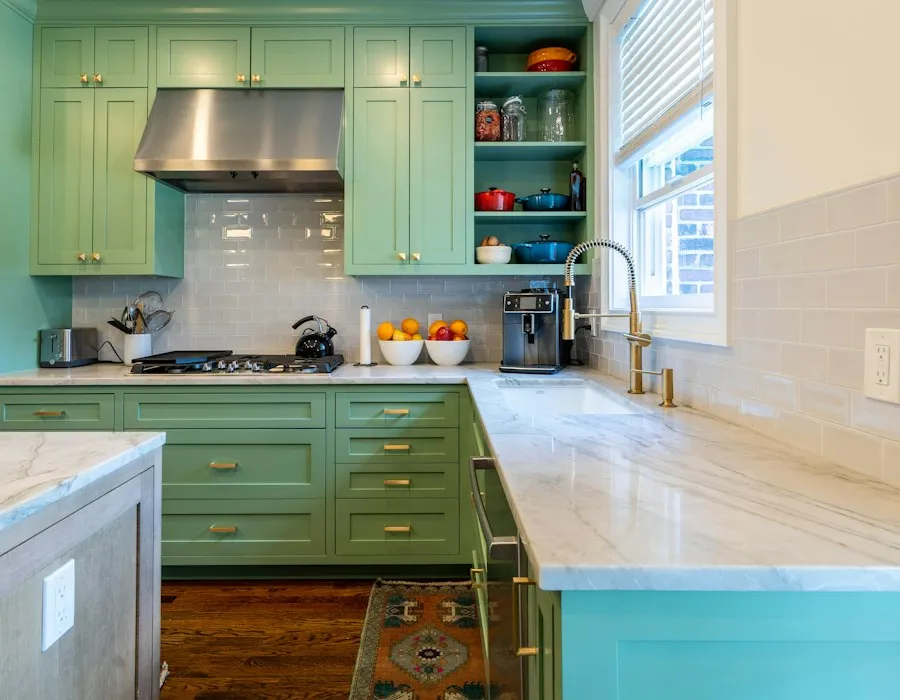
Cabinet Refinishing
Sprayed in place, degreased and de-glossed first, so the finish actually holds on a kitchen door.
What this involves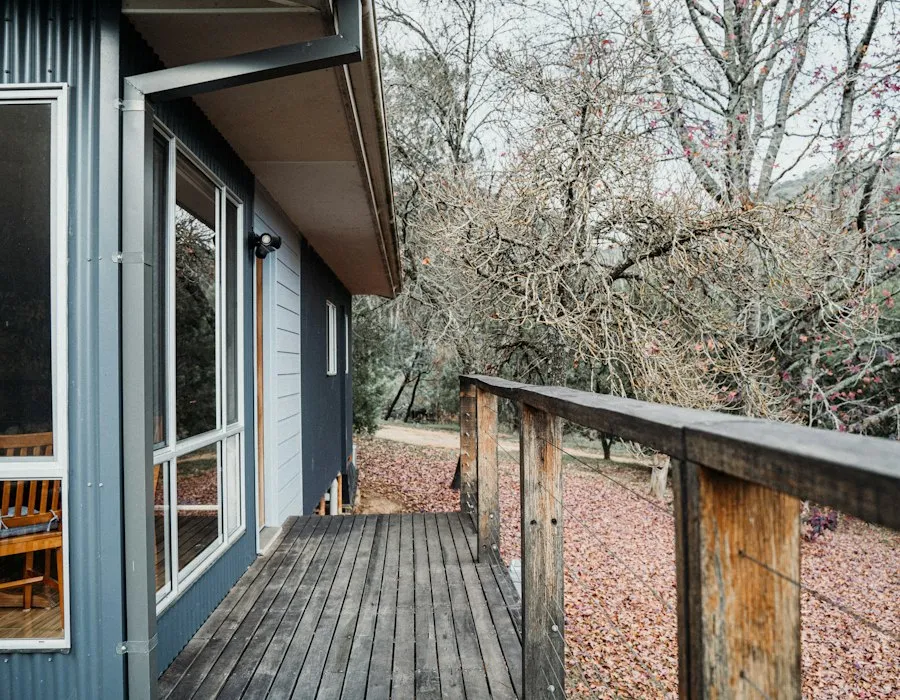
Deck & Fence Staining
Stripped, brightened and re-stained — or talked out of it, if the boards need replacing first.
What this involves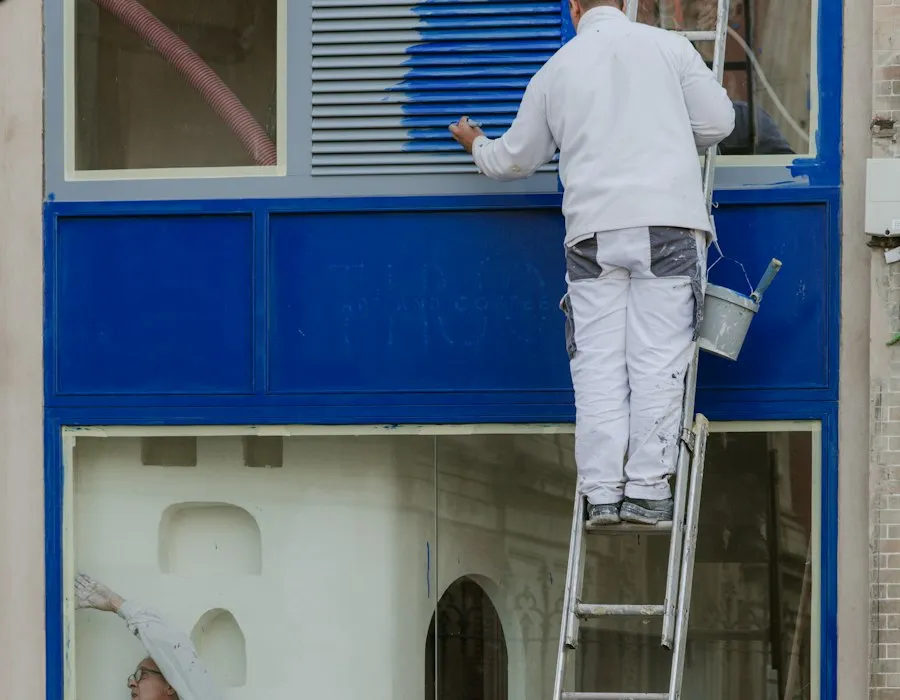
Carpentry Repair
Rotted sills, trim, soffit and fascia replaced before they are painted — because you cannot paint rot.
What this involves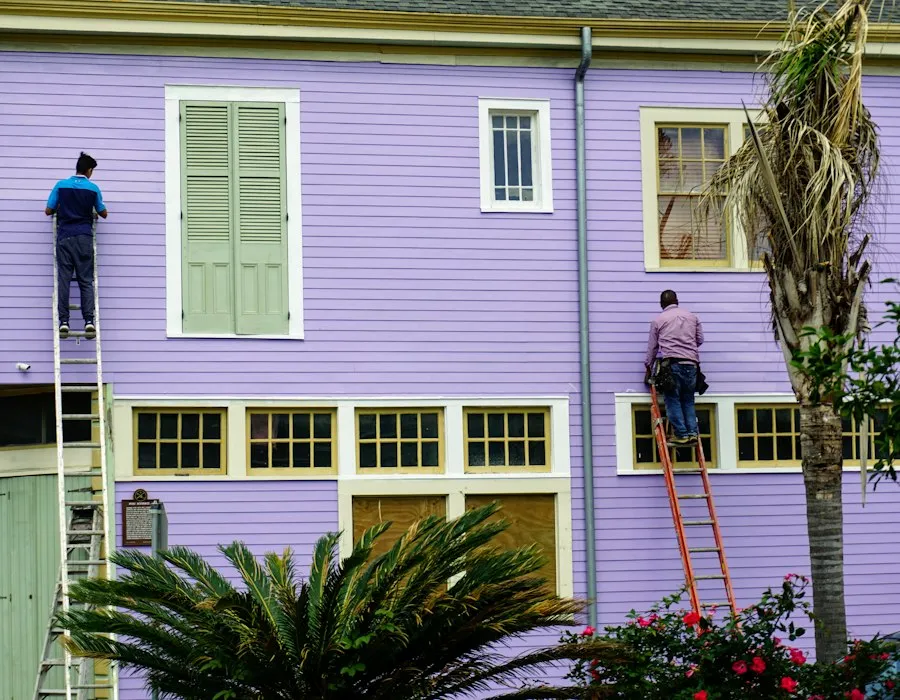
Lead-Safe Prep
Containment and controlled removal on pre-1978 homes, which in this city is most of them.
What this involves
Where the hours
actually go.
Roughly how a two-storey exterior repaint divides. The finish coats are the photograph; everything to the left of them is the reason the photograph still looks like that in year six.
- 01
Wash
8% of hoursLow-pressure wash to strip chalk, pollen and mildew. Paint will not bond to a chalked surface, and pressure-blasting old clapboard drives water behind it.
On a cheaper bid: Skipped entirely, or replaced with a rinse.
- 02
Scrape
26% of hoursEvery coat that has lost its bond comes off. This is the single largest block of hours on an older house and there is no shortcut in it.
On a cheaper bid: Reduced to the worst two elevations.
- 03
Feather-sand
18% of hoursScraped edges are sanded back so the step between old film and bare wood does not telegraph through the new coats.
On a cheaper bid: Dropped — which is why cheap jobs look ridged in raking light.
- 04
Fill & caulk
16% of hoursNail holes and checked wood filled; failed caulk joints cut out and re-run rather than beaded over.
On a cheaper bid: New caulk run straight over the old.
- 05
Spot-prime
12% of hoursEvery bare surface primed before a finish coat touches it. Bare wood left to grey in the sun stops taking primer properly within days.
On a cheaper bid: One coat of paint treated as the primer.
- 06
Two finish coats
20% of hoursThe part you can see, and the smallest part of the job. Applied inside the temperature window so the film actually cures.
On a cheaper bid: One coat, thinned.
Why homeowners
pick the middle
quote.
You will get three numbers. The low one deleted something; the high one is usually a company with an office to pay for. What matters is which line items each of them is actually quoting.
- 01
The estimate itemises prep
Wash, scrape, sand, fill, prime and coats are separate lines with separate hours. That is the number to compare between bids — not the total.
- 02
We tell you when to wait
If it is October and you want an exterior, we will book you for spring rather than lay a coat that cannot cure. Interior work carries us through winter.
- 03
Lead-safe on pre-1978 homes
Containment, controlled removal, HEPA cleanup and a verified clean before we strike. Most Madison houses need this and plenty of bids quietly skip it.
- 04
Rot gets fixed, not painted
Soft sills, fascia and corner boards are cut out and replaced in matching stock, primed all six sides, then finished with the rest of the elevation.
Interiors and exteriors, Dane County.
Ladder & Line is a prototype business, so these are stock photographs rather than our own job archive. A real site would carry before-and-after pairs from the houses named under each one.
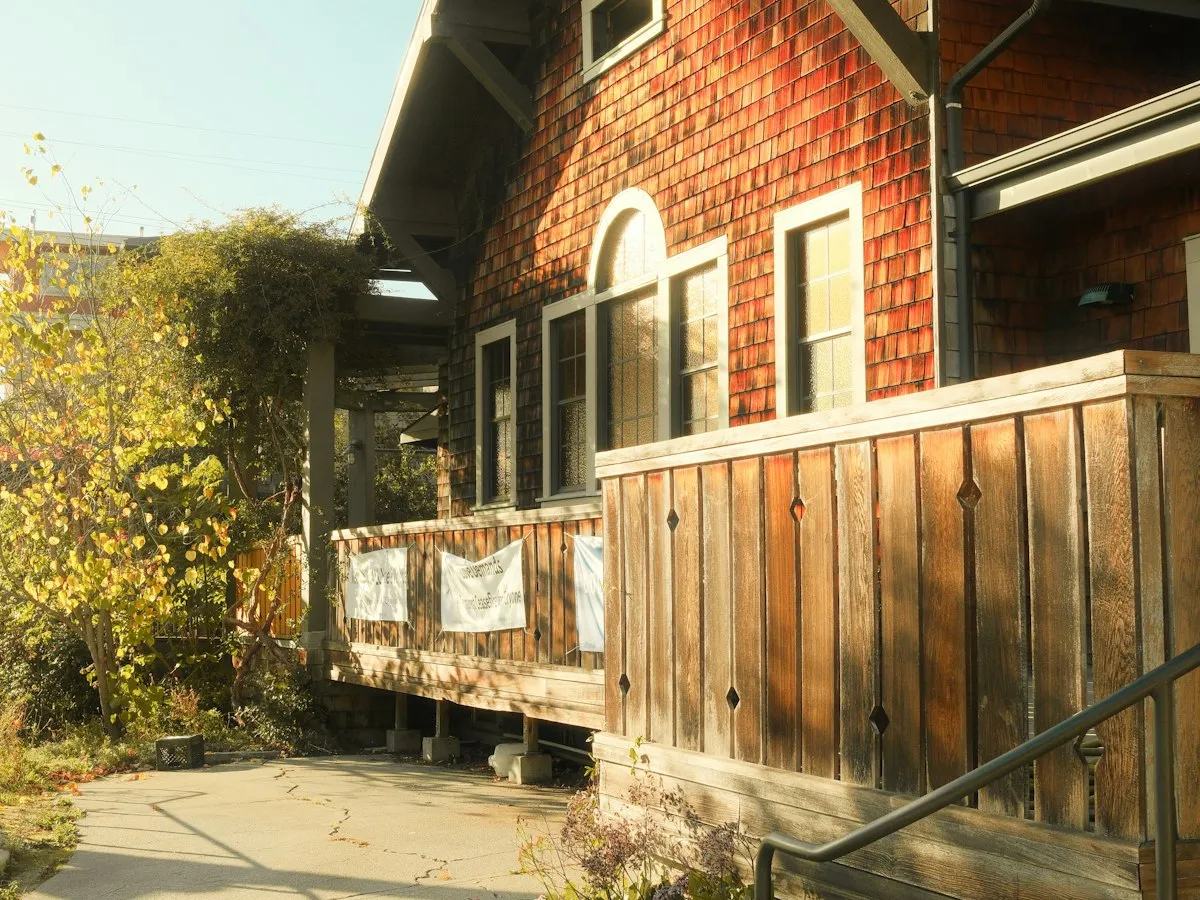 Exterior
Cedar shingle and trim · wash, scrape, spot-prime, two coats
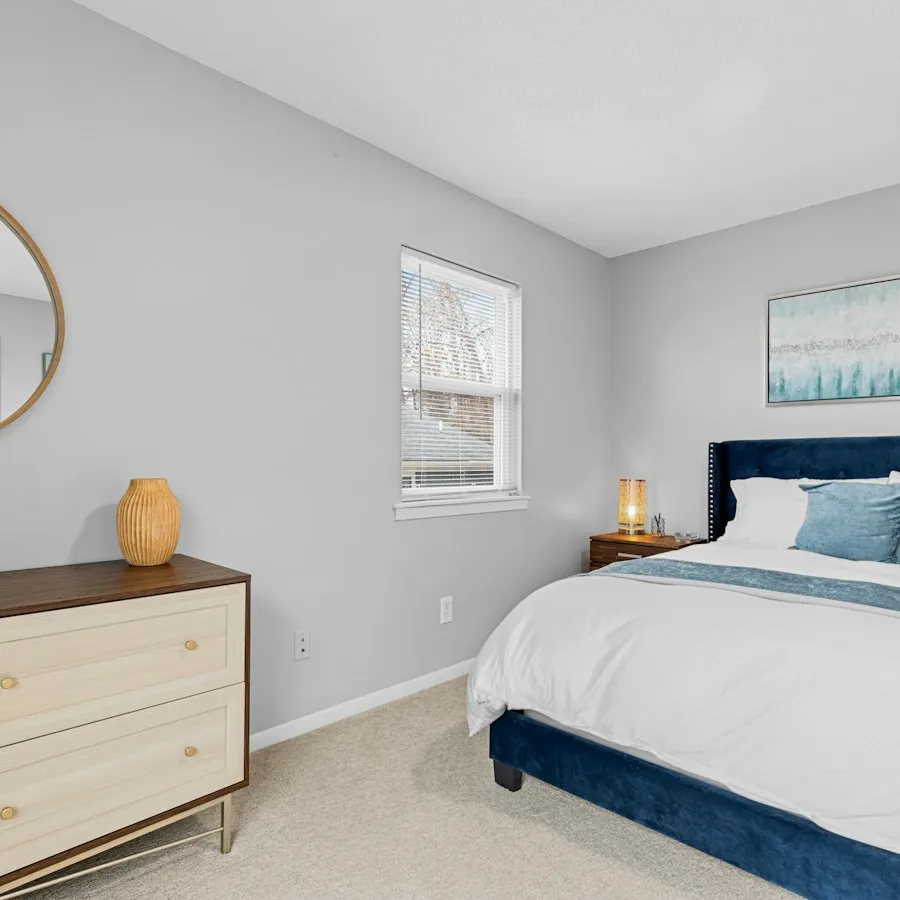 Interior
Plaster walls and ceiling · fill, sand, two coats
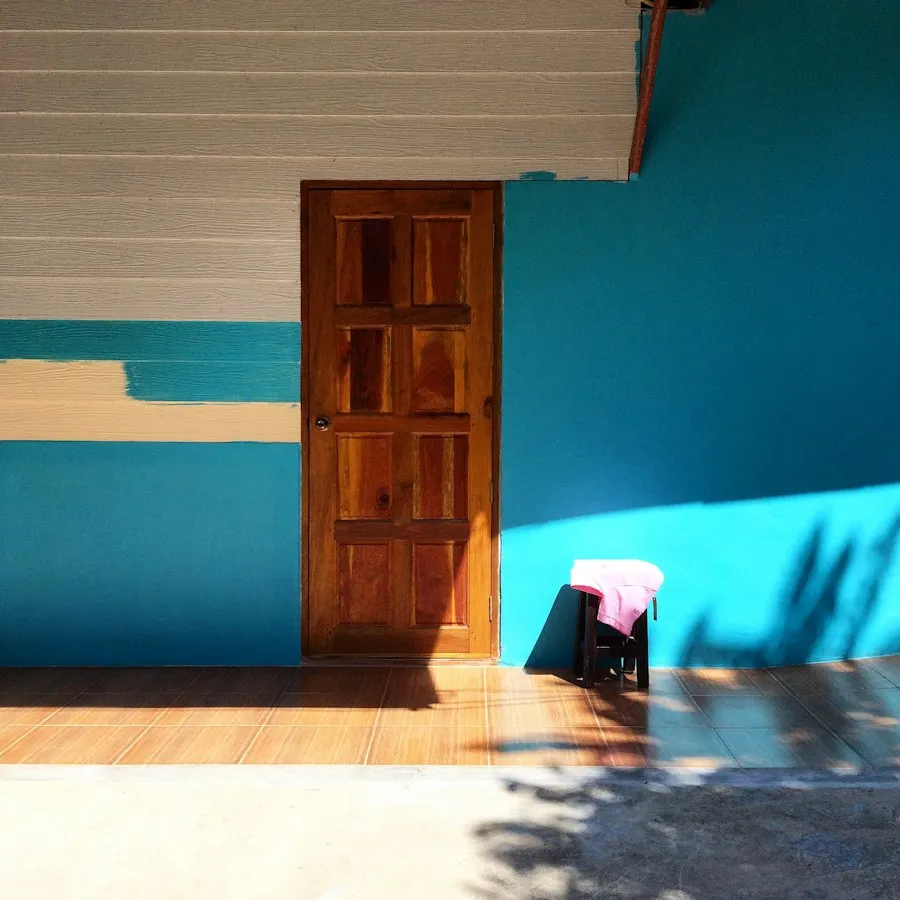 Colour change
Drywall · tinted primer under a dark finish
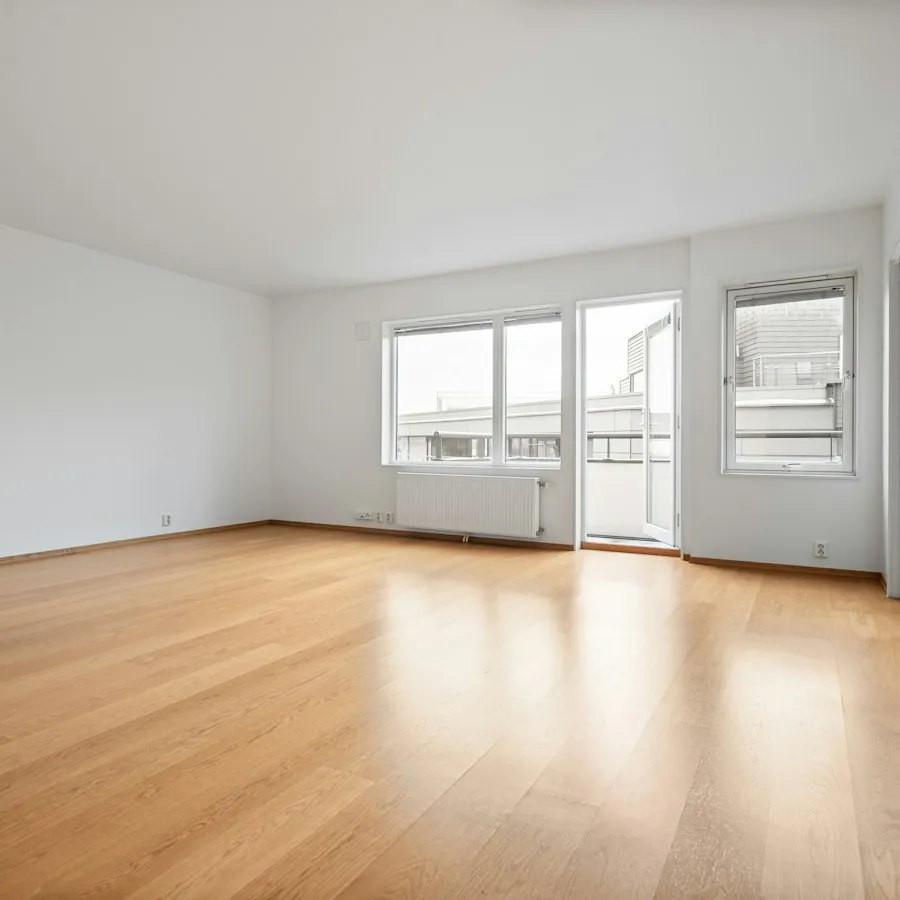 Whole-house interior
Walls, ceilings and trim · vacant-house schedule
 Trim and doors
Painted softwood trim · de-gloss, fill, sand between coats
What we will
turn down.
A painter who says yes to everything is subcontracting most of it. We would rather send you to someone who does the work themselves — so here is the list, before you spend a phone call on it.
- Commercial or industrial buildings
- New construction
- Roofing or siding replacement
- Drywall hanging
- Wallpaper removal as a standalone job
- Epoxy and garage floors
1978
The line that changes your estimate
Madison's near-east and near-west sides are largely wood-frame houses built between 1900 and 1940. Paint from before 1978 can contain lead, and disturbing it puts an ordinary repaint under the EPA's Renovation, Repair and Painting rule.
In practice that means containment on the ground, controlled removal instead of dry open-air sanding, HEPA cleanup, and a verified clean before we strike. It adds hours to the prep, it shows on your estimate as its own line, and a bid that does not mention it on a house this age has not priced the job you actually have.
Madison and
about thirty
minutes out.
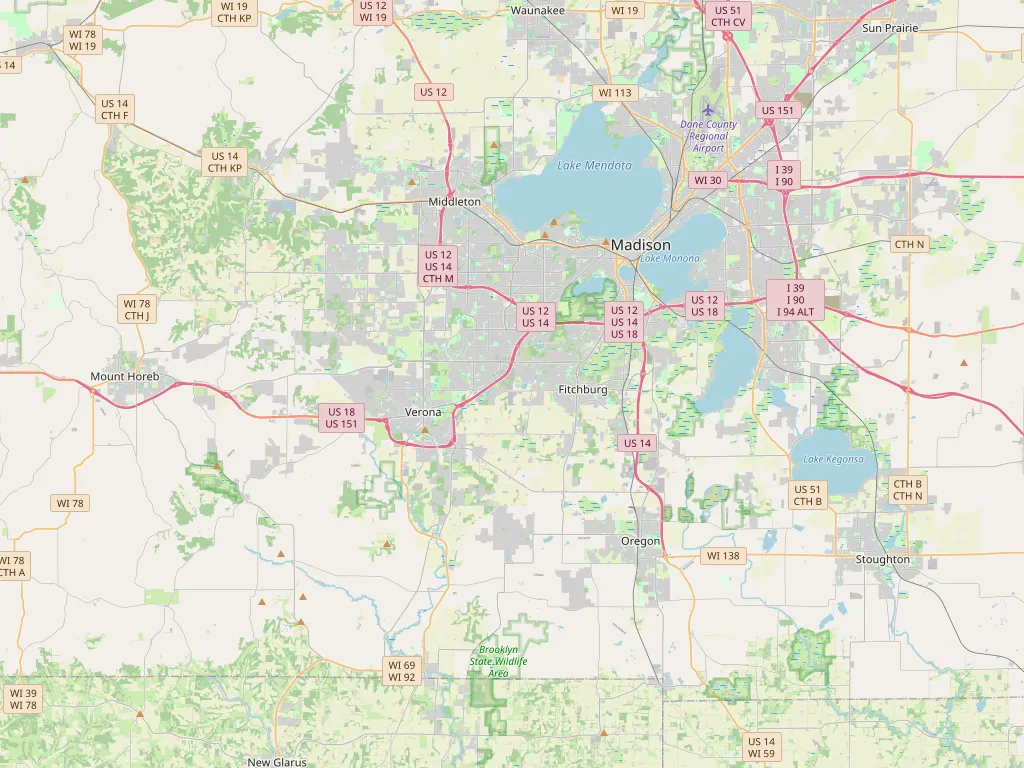
We keep the travel radius short on purpose. Exterior season is about twenty-four working weeks, and an hour in the van each way is an hour that does not go on your house.
Why is your quote higher than the cheapest one I got?
Almost always because of prep. Ask all three bids to itemise scraping, sanding, filling and priming as separate lines with separate hours. If one of them cannot, that is the difference you are looking at — and you will see it again in about three years.
Can you paint my exterior in November?
No, and we will not take the booking. Below roughly 50°F latex stops coalescing into a continuous film, so it never reaches the hardness it was mixed for. Exterior work runs late April to mid-October here. We will put you at the front of the spring schedule instead.
Do I need to be home while you work inside?
No, though most of our interior customers are. We agree an arrival window and keep to it, protect floors and centre and cover furniture before anything opens, and clean the working area down at the end of each day rather than at the end of the job.
My house is from the 1920s. Does that change anything?
Yes. Paint applied before 1978 can contain lead, and disturbing it brings the job under the EPA Renovation, Repair and Painting rule. That means containment, controlled removal rather than dry open-air sanding, HEPA cleanup and a verified clean. It adds hours, and it appears on your estimate as its own line.
What if you find rot once the scraping starts?
We stop, photograph it and price the repair before carrying on — we do not paint over soft wood and we do not spring it on you at invoice time. Sills, fascia, soffit and corner boards are replaced in matching stock and primed on all six sides before they go up.
How long does an estimate take, and does it cost anything?
About forty minutes on site, and no. We need to see the substrate to quote the prep honestly, which is why we do not give exterior numbers over the phone or from photographs.
The six questions
we get every
estimate.
Mostly about price, weather and lead. If yours is not here, it is a short phone call and we would rather answer it before you book.
Book the estimate while the season is open.
Forty minutes on site, a written scope with the prep itemised, and a straight answer about whether your house should be painted this year or next.